What Happens During a School Physical Exam?
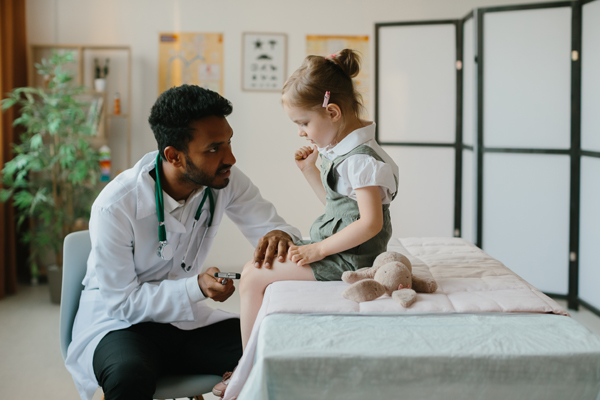
A school physical exams ensures students meet health requirements and start the year ready to learn. This visit provides a preventive snapshot of growth, development, and risk factors while building a strong partnership with the care team. Families can expect a stepwise process that evaluates readiness for classes, athletics, and extracurricular activities.
Registration and health history
The appointment begins with registration, consent forms, and a review of medical, behavioral, and family history. The clinician records medications, allergies, prior injuries, learning accommodations, and chronic conditions such as asthma or diabetes. A school physical exam also includes mental health screening to identify stress, anxiety, or sleep problems that may affect performance. For adolescents, brief confidential time encourages honest discussion about safety, substance use, and healthy relationships.
Vitals, growth, and weight management
Next comes a head-to-toe assessment with objective measurements. The care team records height, weight, body mass index, blood pressure, pulse temperature, and oxygen saturation. Growth charts help track trends and guide nutrition and activity counseling. When metrics suggest risk, the provider offers evidence-based weight management guidance, including balanced meal planning, activity goals, and referral options. A school physical exam emphasizes realistic habits that support focus, energy, and long-term performance.
Vision, hearing, and preventive screenings
Clear vision and hearing support classroom success. Standard tests evaluate acuity and sound detection, with referrals for glasses, contacts, or audiology when indicated. Depending on age and school requirements, screening may include hemoglobin, lipid panels, tuberculosis risk assessment, or sexually transmitted infection testing. The provider may also review dental care, fluoride use, sun protection, and provide injury prevention tips. A school physical exam also verifies immunization status and recommends updates for vaccines such as Tdap, HPV, and meningococcal.
Musculoskeletal and sports readiness
For students playing sports, the provider performs an orthopedic evaluation of posture, flexibility, strength, and joint stability. Heart and lung exams for murmurs, rhythm concerns, or exercise-induced symptoms are also evaluated. Functional tests like single-leg balance and squat patterns reveal movement deficits that elevate injury risk. Guidance may include stretching routines, cross-training ideas, hydration strategies, and concussion education. A school physical exam documents restrictions, protective equipment needs, and return-to-play clearance.
Personalized counseling and care plans
Every visit ends with practical next steps. The care team sets goals for sleep, screen time, nutrition, physical activity, and stress management. Chronic conditions receive updated action plans, such as inhaler timing for asthma or emergency allergy protocols. The provider coordinates forms for school nurses, coaches, and teachers, ensuring medications and accommodations align with academic demands. Families leave with follow-up timelines and community resources that promote continuity of care.
Start your child off on the right foot for the school year
A school physical exam does more than satisfy a requirement; it strengthens health, safety, and learning capacity. With thorough evaluation, targeted counseling, and timely vaccinations, students enter classrooms and fields ready to thrive. Partnering with primary care or family medicine providers keeps momentum strong throughout the year. To schedule your child's physical before the school year begins, contact our Davie office.
Request an appointment here: https://davie.southfloridadoctorsgroup.com or call South Florida Doctors Group Davie at (954) 903-0484 for an appointment in our Downey office.
Check out what others are saying about our services on Yelp: School Physical Exam in Davie, FL.
Related Posts
Awaiting the results of a pregnancy test can be nerve-wracking, regardless of whether or not you are planning for a baby. Pregnancy testing can provide clarity about what to do next. The good news is that these days, there are many different options available. You can buy a home pregnancy test over the counter or…
Preventative care helps safeguard your health by providing early detection or interception of serious conditions or diseases. Maintaining a relationship with a preventative care practitioner can help keep you healthy year-round. Learning their role and how they stack against diagnostic care can help you determine whether consulting this type of practitioner is necessary.Preventative care practitioners…
Blood work is an essential tool primary care providers use to assess overall health, diagnose conditions, and monitor ongoing treatment. Routine blood tests offer valuable insights into the body's functions, helping detect potential health issues early. Understanding the different types of blood work and their purposes can help clarify why PCP recommend these tests during…
Your family doctor agrees with all recommended women’s health screenings. We all want to stay healthy throughout our lifetime, and these screenings are one of the best ways to make sure we accomplish that. Women are at risk for several diseases, including cancers, among many others. If women can help detect or prevent any of these…