High Cholesterol: The First Steps in Lowering Your Cholesterol
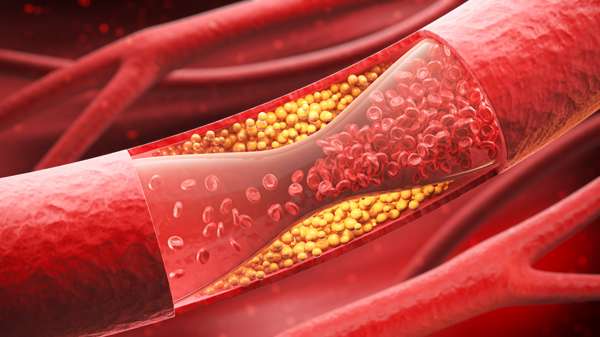
High cholesterol can lead to serious health consequences such as heart attack and stroke. Therefore, one of the most important things you can do for your health is to get your cholesterol under control. Luckily, there are steps you can take right now not only to begin lowering your cholesterol but also to improve your energy level and overall health.
The dangers of high cholesterol
Cholesterol is a waxy, fat-like substance in the blood needed for making healthy cells, tissues, hormones, and certain vitamins. However, too much can lead to plaque forming and sticking to the artery's walls. This build-up can narrow and block arteries, leading to coronary disease, heart attack, or stroke. According to Johns Hopkins Medicine, 200 milligrams per deciliter or mg/dL of blood is normal, borderline high is 200-239 mg/dL, and at or above 240 mg/dL is considered high.
Steps to lowering your cholesterol
Make an appointment with your doctor
A visit with a doctor is always a good place to start any health-related journey. The doctor can order tests such as a lipid profile to assess cholesterol levels, review health history, and discuss a patient's diet and lifestyle. With this information, the doctor can determine if medication is needed right away and advise the patient on health and lifestyle modifications designed to bring cholesterol to a healthy level.
Adopt a heart-healthy diet
A doctor can make diet recommendations based on a patient's unique circumstances. However, a cholesterol-lowering diet generally involves fiber-rich foods, fruits, vegetables, beans, and healthy fats from sources like avocados and nuts. Refined sugar and carbohydrates, as well as saturated and trans fats like those found in red meat, butter, and processed foods, should be avoided when trying to lower cholesterol.
Get enough exercise
Regular exercise can benefit those with high cholesterol. Physical activity can help lower bad cholesterol and triglyceride levels. We advise patients to consult their doctor before starting a workout program. Medical providers typically recommend getting at least 150 minutes of moderate aerobic exercise or 75 minutes of vigorous exercise each week. Exercise and a healthy diet will also help keep weight in check, lower cholesterol, and help patients gain more energy and better sleep.
Quit tobacco and limit alcohol
Both tobacco use and excessive alcohol consumption are damaging to health in many ways, including contributing to high cholesterol. Consuming tobacco products can damage the lining of blood vessels, making it easier for LDL (bad cholesterol) to collect and narrow and harden arteries. A doctor may be able to prescribe medication for patients who have trouble quitting smoking on their own. Though moderate alcohol consumption can have some heart benefits, excessive alcohol consumption contributes to high cholesterol by impairing the liver and elevating one's levels of triglycerides and LDL. A doctor can also assist patients in limiting or quitting drinking.
Do not ignore high cholesterol
{{DBA}} helps patients lower cholesterol and improve their heart health. If you are worried about high cholesterol, start taking some of the above steps today. To learn more about the causes and treatments for high cholesterol, call our team today.
Request an appointment here: https://davie.southfloridadoctorsgroup.com or call South Florida Doctors Group Davie at (954) 903-0484 for an appointment in our Davie office.
Check out what others are saying about our services on Yelp: High Cholesterol in Davie, FL.
Related Posts
Awaiting the results of a pregnancy test can be nerve-wracking, regardless of whether or not you are planning for a baby. Pregnancy testing can provide clarity about what to do next. The good news is that these days, there are many different options available. You can buy a home pregnancy test over the counter or…
Preventative care helps safeguard your health by providing early detection or interception of serious conditions or diseases. Maintaining a relationship with a preventative care practitioner can help keep you healthy year-round. Learning their role and how they stack against diagnostic care can help you determine whether consulting this type of practitioner is necessary.Preventative care practitioners…
Blood work is an essential tool primary care providers use to assess overall health, diagnose conditions, and monitor ongoing treatment. Routine blood tests offer valuable insights into the body's functions, helping detect potential health issues early. Understanding the different types of blood work and their purposes can help clarify why PCP recommend these tests during…
Your family doctor agrees with all recommended women’s health screenings. We all want to stay healthy throughout our lifetime, and these screenings are one of the best ways to make sure we accomplish that. Women are at risk for several diseases, including cancers, among many others. If women can help detect or prevent any of these…